Living

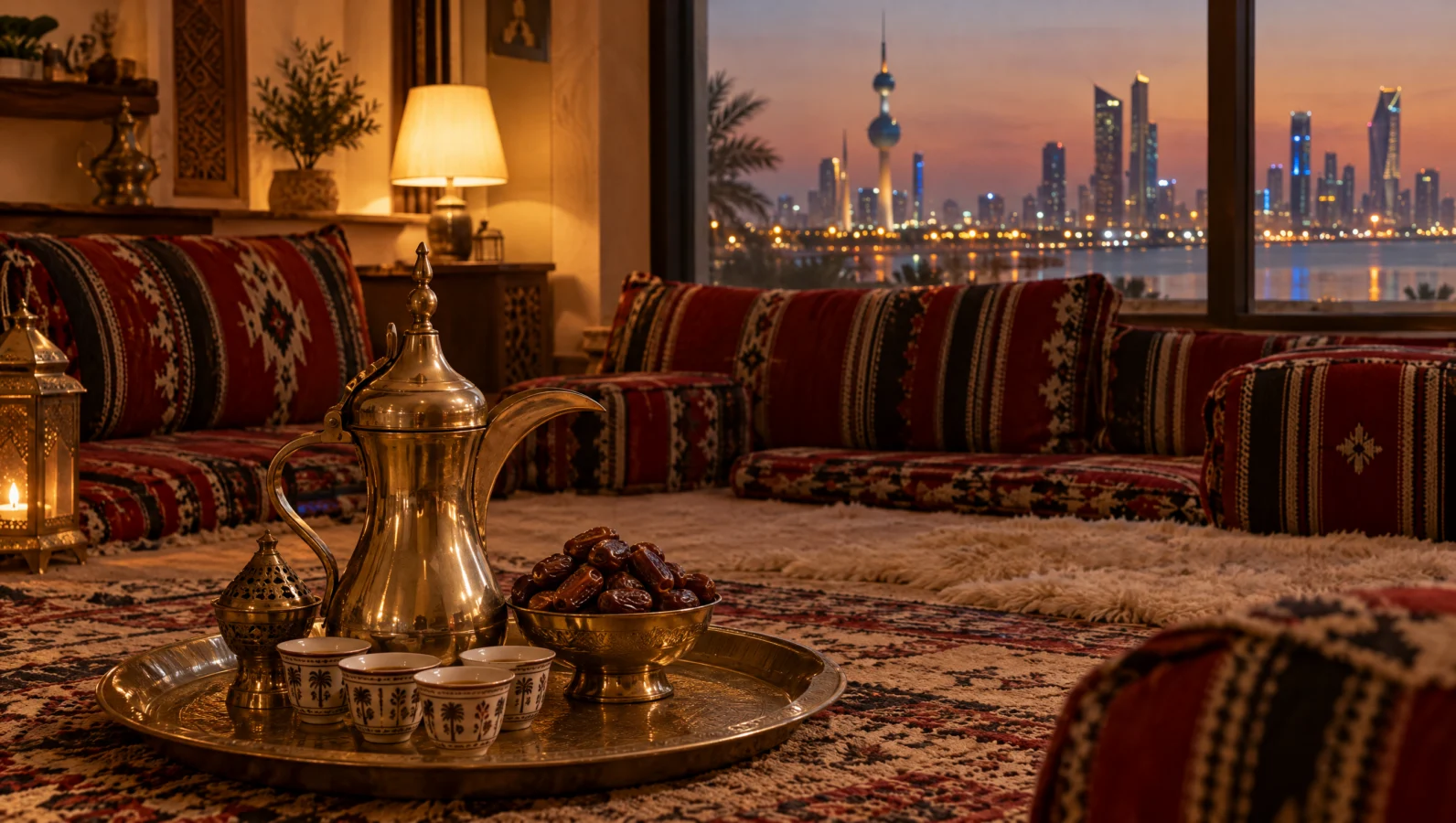
Everyday life in Kuwait: the people, the costs, the history and the home cooking that makes it feel like home.

28 articles

Common questions

What percentage of Kuwait's population are Kuwaiti citizens?

Kuwaiti citizens make up about 30 to 35% of the population. The other 65 to 70% are expatriates, which makes Kuwait one of the most multicultural countries in the Middle East. Indians, Egyptians, Bangladeshis, Filipinos and Pakistanis form the largest expat communities. Read more

Does Kuwait have any rivers or lakes?

No. Kuwait has no permanent freshwater rivers or lakes. Its landscape is shaped by wind erosion, dunes and sedimentary plains, with dry wadis that only carry water after seasonal rain. Desalination plants provide most drinking water, and the Al Rawdatayn aquifer is the only significant natural freshwater reservoir. Read more

What percentage of Kuwait's population are citizens?

Roughly 30 to 33% of Kuwait's population are Kuwaiti citizens, about 1.56 million people as of mid-2024. The remaining 67 to 70% are expatriates, around 3.36 million. Citizens are therefore a minority in their own country, which shapes the labor market, housing and public policy. Read more

Is Kuwait City safe?

Yes. Kuwait City is considered very safe, with low violent crime rates, though normal travel awareness is still recommended. Kuwait is a conservative, Muslim-majority society, so respecting local customs on dress, behavior in public spaces and religious practice also helps your visit go smoothly. Read more

What is the Red Fort in Kuwait?

The Red Fort, or Al-Qasr Al-Ahmar, is a historic fort in Al-Jahra and a symbol of Kuwait's resilience during the 1920 Battle of Jahra. Its mud and red clay walls surround five large courtyards with defense towers, and displays recall its military significance. Read more

Why is the Kuwaiti dinar so valuable?

The Kuwaiti dinar is the world's most valuable currency, often worth more than 3 USD. Its strength comes from Kuwait's role as a leading crude oil exporter, along with prudent financial policies. For visitors, this means travel and living costs in Kuwait can be higher than elsewhere. Read more

Useful tools

Quick guideKuwait quick factsQuick guideKuwaiti Arabic phrases for everyday lifeFree toolPrayer times in Kuwait CityQuick guideKuwaiti food glossary All free tools