

In short
Kuwait is a small Gulf nation with outsized influence. It holds about 8% of the world's proven oil reserves, the Kuwaiti dinar is the world's highest-value currency, about 70% of residents are expatriates, and in 1962 it adopted the first constitution and elected parliament among Gulf states.
Key takeaways
- Oil exports make up nearly half of Kuwait's GDP and over 90% of government revenue.
- The name Kuwait comes from the Arabic word Kut, meaning fortress or fortified settlement.
- Before oil, Kuwait thrived as a maritime trading hub and a pearl-diving center.
- The falcon is the national bird, and falconry remains an important cultural sport.
Kuwait is a small but highly influential nation in the Arabian Gulf, known for its wealth, petroleum resources, cultural heritage, and strong national identity. Combining deep-rooted traditions with modern development, Kuwait offers a unique perspective on Gulf culture and economic growth.
Below are some interesting and meaningful facts about Kuwait—spanning geography, society, economy, history, and national culture.
🛢️ Economy & Global Influence
| Fact | Details |
|---|---|
| Largest Oil Reserves | Kuwait holds about 8% of the world’s proven oil reserves, mainly in the massive Burgan field. |
| World’s Highest-Value Currency | The Kuwaiti dinar (KWD) is the most valuable currency in the world in exchange rate terms. |
| High-Income Nation | With high GDP per capita, Kuwait is among the wealthiest countries globally. |
| Petroleum-Driven Economy | Oil exports account for nearly half of Kuwait’s GDP and over 90% of government revenue. |
Kuwait played a foundational role in the establishment of OPEC, influencing global energy markets.
🌍 Geography & Climate
| Feature | Description |
|---|---|
| No Rivers or Lakes | Kuwait has no natural freshwater sources; it relies heavily on desalination for clean water. |
| Desert Climate | Summers are extremely hot, with daytime temperatures above 45°C (113°F) common. |
| Wadis & Desert Landscapes | Seasonal riverbeds fill briefly during winter rain. |
| Coastal Nation | Kuwait sits along the Arabian Gulf, shaping its maritime heritage. |
Despite the heat, coastal walkways, cafés, and parks are popular during cooler months.
🎭 Culture, Identity & Society
| Aspect | Highlights |
|---|---|
| Official Language | Arabic (English widely spoken in business and daily life). |
| Population Diversity | About 70% of the population are expatriates, while ~30% are Kuwaiti nationals. |
| Education | Free education is provided to Kuwaiti citizens. |
| Music & Arts | Kuwait is recognized as a cultural leader in the Gulf, particularly in music, poetry, theatre, and television. |
Kuwait is often seen as one of the more intellectually open and artistically active societies in the region.
🏛️ History & Heritage
| Fact | Significance |
|---|---|
| Name Origin | “Kuwait” comes from the Arabic word “Kut”, meaning fortress or fortified settlement. |
| Pearling & Trade | Before oil, Kuwait thrived as a maritime trading hub and pearl-diving center. |
| First Constitution in the Gulf | Kuwait adopted a constitution in 1962 and established an elected parliament, a first among Gulf states. |
| National Bird | The falcon, symbolizing pride, strength, and traditional desert life. |
Kuwait’s identity is deeply connected to the sea, trade, and Bedouin heritage.

🕌 Religion & Traditions
-
Kuwait is a Muslim-majority nation.
-
Both Sunni and Shia communities have long-standing cultural roots.
-
Hospitality is central to Kuwaiti social life — guests are treated with generosity, coffee, and shared meals.
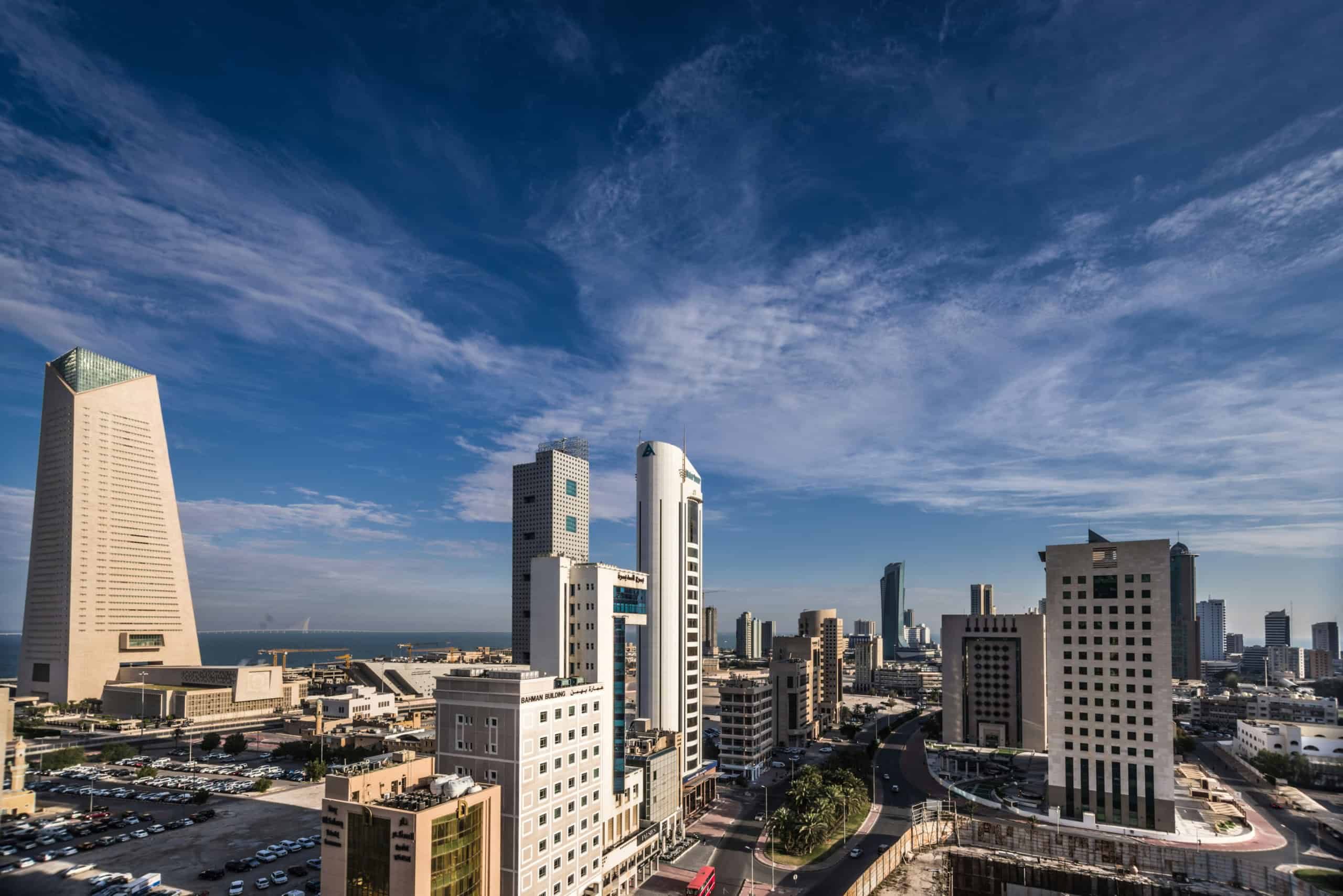
🏙 Modern Kuwait: Tradition Meets Innovation
Kuwait balances heritage and modern development.
-
The Kuwait Towers remain an iconic national symbol.
-
New cultural spaces like the Sheikh Jaber Al-Ahmad Cultural Centre showcase architecture, theatre, and music.
-
Shopping and social life often center around hubs like The Avenues, one of the largest malls in the Middle East.
📝 Quick Interesting Facts (Easy to Remember)
-
Kuwait uses desalination to supply most drinking water.
-
The Kuwaiti dinar is the highest-value currency globally.
-
Kuwait is one of 27 countries without a UNESCO World Heritage Site.
-
Traditional Kuwaiti boats are called dhows.
-
Falconry remains an important cultural sport and identity symbol.
❓ Frequently Asked Questions (FAQ)
Q1: Why is Kuwait so wealthy?
Because of its large oil reserves and relatively small citizen population.
Q2: Is Kuwait safe to visit?
Yes — Kuwait is very safe, especially in urban areas.
Q3: Do people speak English in Kuwait?
Yes — English is widely used in business, schools, and daily transactions.
Q4: What food is Kuwait known for?
Popular traditional dishes include Machboos, Mutabbaq Samak, and Gabout.

📚 Sources & References
| Source | Link |
|---|---|
| WorldAtlas – Kuwait Facts | https://www.worldatlas.com/articles/10-interesting-facts-about-kuwait.html |
| The Fact File – Kuwait Facts | https://thefactfile.org/kuwait-facts/ |
| EnjoyTravel – Interesting Facts About Kuwait | https://www.enjoytravel.com/us/travel-news/interesting-facts/interesting-facts-about-kuwait |
| Kuwait Mission Geneva – Climate & Water Facts | https://www.kuwaitmission.ch/KUFacts.aspx |
| Britannica – Kuwait Overview | https://www.britannica.com/place/Kuwait |
| Wikipedia – Kuwait | https://en.wikipedia.org/wiki/Kuwait |
Quick answers
Why is Kuwait so wealthy?
Kuwait is wealthy because of its large oil reserves and relatively small citizen population. It holds about 8% of the world's proven oil reserves, mainly in the Burgan field, and oil exports account for nearly half of its GDP and over 90% of government revenue.
What does the name Kuwait mean?
The name Kuwait comes from the Arabic word Kut, which means fortress or fortified settlement. Long before oil, the settlement grew as a maritime trading hub and pearl-diving center, and Kuwaiti identity is still closely tied to the sea, trade and Bedouin heritage.
What food is Kuwait known for?
Kuwait is known for traditional dishes such as Machboos, Mutabbaq Samak and Gabout. Food is also part of hospitality, which sits at the center of Kuwaiti social life: guests are treated with generosity, offered coffee and invited to share meals with the family.
Links mentioned in this article
- https://www.worldatlas.com/articles/10-interesting-facts-about-kuwait.html worldatlas.com
- https://thefactfile.org/kuwait-facts/ thefactfile.org
- enjoytravel.com enjoytravel.com
- https://www.kuwaitmission.ch/KUFacts.aspx kuwaitmission.ch
- https://www.britannica.com/place/Kuwait britannica.com
- https://en.wikipedia.org/wiki/Kuwait en.wikipedia.org


Comments