The People of Kuwait: Culture, Identity & Diversity

The people of Kuwait form a richly diverse population, shaped by Arabian heritage, maritime history, and modern globalization. Kuwaitis make up about 30%–35% of the population, while expatriates form around 65%–70%, making Kuwait one of the most multicultural countries in the Middle East.


🇰🇼 Who Are Kuwaitis?

Kuwaiti citizens trace their origins primarily to Arab tribes of the Arabian Peninsula, seafaring merchants, and families linked to Iraq, Saudi Arabia, Iran, and the wider Gulf.

Aspect Details
Ethnic Roots Mainly Arab, with historical Persian and Gulf influences
Religion Majority Muslim; approx. 60–70% Sunni, 30–40% Shia (among citizens)
Values Strong emphasis on family, hospitality, generosity, and community
Language Kuwaiti Arabic (dialect), with Standard Arabic used in media and formal contexts
Identity Deep pride in heritage, Bedouin ancestry, maritime history, and national independence

Family networks, tradition, and social cohesion play a central cultural role.


🌍 Expatriate Communities in Kuwait

Expatriates make up the majority of the population, contributing to Kuwait’s workforce, culture, and daily life.

Expatriate Community Approx. Population Size Common Languages
Indians ~1,000,000+ Malayalam, Hindi, Tamil, English
Egyptians ~500,000 Arabic (Egyptian dialect)
Bangladeshis ~180,000 Bengali
Filipinos ~180,000 Tagalog, English
Pakistanis ~100,000+ Urdu, English
Sri Lankans & Nepalis Significant communities Sinhala / Nepali / English

Expat communities work in:

  • Construction

  • Healthcare

  • Education

  • Domestic work

  • Engineering & service sectors

Kuwait’s society is therefore linguistically and culturally multilingual.


🕌 Religion & Social Life

Group Notes
Muslims Majority of Kuwaitis & many Arab expatriates
Christians ~250,000–300,000+ expatriates; licensed churches exist
Hindus, Buddhists, Sikhs Practiced by South Asian communities
Other faiths Practiced privately and respectfully

Religious practice in Kuwait is publicly visible yet interfaith coexistence is part of daily life, especially in workplaces and multicultural neighborhoods.


🗣 Languages in Kuwait

Language Usage
Arabic (official) Government, schools, mosques, news
English (widely spoken) Business, education, shopping, daily interactions
Tagalog, Hindi, Urdu, Bengali, Malayalam, Tamil, Nepali Spoken within expatriate communities

Because Kuwaitis grow up hearing many languages, multilingualism is common, especially among youth and professionals.


👨‍👩‍👧 Family & Daily Life

  • Family is the core social unit.

  • Hospitality is an important cultural value — guests are offered coffee (gahwa) and dates as a sign of welcome.

  • Clothing varies from traditional (dishdasha & abaya) to Western styles, depending on context.

  • Social life often centers around:

    • Family gatherings

    • Sea-front cafés

    • Shopping centers

    • Cultural festivals

    • Ramadan evening events


🍽 Food & Cultural Traditions

Traditional Kuwaiti dishes reflect Gulf maritime and Bedouin heritage:

Dish Description
Machboos Spiced rice with lamb, chicken, or fish
Mutabbaq Samak Fried fish with saffron rice
Gabout Stuffed dumplings in broth
Karak Tea Sweet, cardamom-scented tea enjoyed socially

Food is closely tied to generosity and communal gatherings.


📝 Summary: A Diverse and Dynamic Society

Category Kuwaitis Expatriates
Cultural Identity Rooted in Arabian heritage and tradition Multicultural; varies by origin
Percentage of Population ~30–35% ~65–70%
Languages Arabic + English Multiple world languages
Religion Primarily Muslim Muslims, Christians, Hindus, Buddhists, others

Kuwait is a meeting point of cultures — traditional yet modern, rooted yet global.


❓ Frequently Asked Questions

Q1. Why does Kuwait have so many expatriates?
Because the economy depends on foreign labor in both skilled and unskilled sectors.

Q2. Is Kuwait culturally conservative?
Yes — Kuwait is Muslim-majority and socially traditional, but daily life is diverse and welcoming.

Q3. Do Kuwaitis speak English?
Yes — English is widely used, especially in cities, business, shopping, and schools.

📚 Sources & References

Source Link
World Population Review – Kuwait Demographics https://worldpopulationreview.com/countries/kuwait
Wikipedia – Demographics of Kuwait https://en.wikipedia.org/wiki/Demographics_of_Kuwait
AFS Intercultural – Kuwaiti Family Life https://www.afsusa.org/countries/kuwait/
Expat Life in Kuwait https://en.wikipedia.org/wiki/Expatriates_in_Kuwait

Main Geographical Features of Kuwait

Kuwait is located at the northwestern corner of the Arabian Gulf, where desert landscapes meet a strategic coastal shoreline. Although relatively small, Kuwait’s geography has strongly shaped its history, settlement, water resources, and economic development.


🌍 Location & Size

Feature Details
Region Northeastern Arabian Peninsula
Borders Iraq (north & west), Saudi Arabia (south)
Coastline ~499 km (310 miles) along the Arabian Gulf
Total Area ~17,818 km² (6,880 sq mi)
Capital Kuwait City, located on Kuwait Bay

Kuwait’s position at the head of the Gulf historically made it a trade and maritime hub.


🏝️ Coastline, Islands & Kuwait Bay

Kuwait has nine main islands, though most are uninhabited.

Island Notable Features
Bubiyan Island Largest island; connected to mainland by bridge
Failaka Island Archaeological sites + former settlements
Warbah Island Near Iraq border; restricted use
Other islands Miskan, Auhah, Umm an-Namil, Umm al-Maradim, Kubbar, Qaruh

Kuwait Bay

  • A shallow, semi-enclosed inlet deeply indenting the coastline

  • Provides harbor protection and influenced the placement of Kuwait City

The coastal zone is central to Kuwait’s fishing, trade routes, maritime identity, and recreation.


🏜 Terrain & Landforms

Kuwait is primarily a flat desert plain with subtle elevation changes.

Geographical Feature Description
Terrain Sandy & gravel desert, low vegetation
Highest Point ~300 m (984 ft) above sea level (unnamed hill in the west)
Mutla Ridge Most prominent visible ridge (~142 m) north of Kuwait Bay
Wadis (dry valleys) Seasonal flood channels — particularly Wadi al-Batin along the western border

No mountains, rivers, or lakes — Kuwait’s landscape is shaped by wind erosion, dune systems, and sedimentary plains.


💧 Water Resources & Desalination

Kuwait has no permanent freshwater rivers or lakes.

Source Purpose
Desalination plants Main provider of drinking water
Al Rawdatayn aquifer Only significant natural freshwater reservoir
Brackish groundwater Used regionally for limited agricultural/horticultural use

Kuwait was one of the first countries in the world to adopt large-scale desalination.


☀️ Climate & Weather Patterns

Type Characteristics
Climate Extremely arid desert climate
Summer Very hot; often 45°C+ (113°F+)
Winter Mild days, cool nights
Winds “Shamal” northwesterly winds → frequent dust & sandstorms
Rainfall Low & seasonal; occasional flash floods in wadis

Climate strongly influences living patterns, agriculture, and energy demand.


🌿 Ecosystems, Vegetation & Wildlife

Despite harsh climate, Kuwait has distinct ecological zones:

  • Desert plains with drought-tolerant shrubs and grasses

  • Salt marshes and mudflats around Kuwait Bay supporting migratory birds

  • Marine ecosystems supporting fish, shrimp, coral, and sea turtles

Examples of native wildlife include:

  • Arabian desert hedgehog

  • Sand gazelle (reem)

  • Lizards, desert snakes, and migratory birds


🛢 Natural Resources

The country’s greatest natural resource is oil — especially in the Burgan oil field, one of the largest proven oil fields in the world.


📝 Summary Table: Kuwait at a Glance

Category Description
Region Arabian Peninsula
Landscape Flat desert, low ridges, wadis
Water Sources Desalination + limited aquifers
Climate Hot desert climate, dust storms
Coastline Long Gulf shoreline + key islands
Natural Resources Petroleum & natural gas

❓ Frequently Asked Questions

Q1. Does Kuwait have rivers or lakes?
No — Kuwait has no permanent freshwater rivers or lakes.

Q2. What is the most distinctive physical feature of Kuwait?
Its flat desert landscape and coastal bay (Kuwait Bay).

Q3. Why is desalination important in Kuwait?
Because the country lacks natural freshwater sources, making desalination critical for drinking water.

Q4. What island is most historically significant?
Failaka Island — known for archaeological remains dating back to the Bronze Age and Greek settlements.


📚 Sources & References

Source Link
Wikipedia – Geography of Kuwait https://en.wikipedia.org/wiki/Geography_of_Kuwait
Index Mundi – Kuwait Geography Profile https://www.indexmundi.com/kuwait/geography_profile.html
Kuwait Government Portal – Topography https://www.e.gov.kw/sites/kgoEnglish/Pages/Visitors/AboutKuwait/KuwaitAtaGlaneTopography.aspx
GIS Geography – Kuwait Maps & Data https://gisgeography.com/kuwait-map/
Nation Encyclopedia – Kuwait Geography https://www.nationsencyclopedia.com/geography/Indonesia-to-Mongolia/Kuwait.html

Population & Demographics of Kuwait

Kuwait’s demographic makeup is unusual and dynamic compared to many countries. A large portion of its residents are non-citizens (expatriates), and the national population mix has significant implications for labor markets, society, and data interpretation.


📊 Key Population Figures (Latest Estimates)

Metric Estimate Notes
Total population ~ 4.9 million (mid-2024) As of June 2024 the population reached ~4.918 million. Kuwait Times+3Times Kuwait+3nbk.com+3
Citizens (Kuwaitis) ~ 1.56 million ~32-33% of total population. Times Kuwait+1
Expatriates (non-citizens) ~ 3.36 million ~68-70% of population. Times Kuwait+2Kuwait Times+2
Population growth rate ~2 % per year (2024) Slowing compared to previous years. nbk.com

These numbers show how citizens are the minority while expatriates dominate numbers in Kuwait — a key demographic characteristic.


🌍 Ethnic Composition & Nationality Breakdown

According to the Central Intelligence Agency (CIA) World Factbook, ethnic/national group estimates (2018-latest) are:

Some more recent reports refine the expatriate sub-groups:

  • Indian expatriates: ~1,007,961 by end of 2024 (~21% of total population) iflkuwait.com+1

  • Egyptian expatriates: ~657,280 (~13% of total) zawya.com

Key takeaway: Kuwait’s population is highly diverse, especially through its large expatriate workforce.


👶 Age Structure, Urbanization & Density

Measure Estimate
Urbanization Very high — >90% of population lives in urban or suburban areas. Worldometer+1
Population density ~270-280 people per km² (2024 estimate ~277/km²) Worldometer+1
Population pyramid highlights A large working-age population driven by expatriate labor; smaller proportion of elderly.

Because the expatriate workforce drives much of the population, the age structure skews toward working-age adults rather than large proportions of children or elderly.


🕌 Religion & Languages

  • Official language: Arabic; English widely used as a lingua franca. cia.gov+1

  • Religion (older estimate): Muslims ~74.6% (official), Christians ~18.2% of population (2013 estimate) cia.gov

  • Among expatriates there are also Hindus, Buddhists, Sikhs, and others.


🔍 What the Demographics Imply

  • Labor market dependency: With ~70% of the population non-citizens, Kuwait relies heavily on expatriate workers.

  • Policy implications: National efforts toward “Kuwaitization” (increasing citizen workforce) are influenced by this demographic structure.

  • Social structure: Citizenship vs. non-citizen status influences access to benefits, housing, employment sectors.

  • Urban planning & housing: High and concentrated population in urban areas places strain on infrastructure, housing, and services.


❓ Frequently Asked Questions (FAQs)

Q1. What percentage of Kuwait’s population are citizens?
A1. Roughly 30-33% of the population are Kuwaiti citizens, with the remaining ~67-70% being expatriates.

Q2. Who are the largest expatriate groups in Kuwait?
A2. The largest expatriate group are Indians, followed by Egyptians, Bangladeshis, Filipinos, Pakistanis and others.

Q3. Does Kuwait have a young population?
A3. The majority of the population is working-age, driven largely by migrant workers. The proportion of elderly is relatively small compared to many Western countries.

Q4. Why does Kuwait have such a high expatriate population?
A4. Kuwait’s economy, especially in the private sector, relies on labor from abroad. Expatriates fill many roles in construction, services, domestic work, oil and gas sectors.

Q5. Do these demographics affect housing and infrastructure?
A5. Yes. High numbers in urban areas and a large non-citizen workforce create demand for housing, transportation, utilities, and social services, which influences national planning and policy.


📚 Sources & References

What Is the Capital City of Kuwait and What Is It Like?

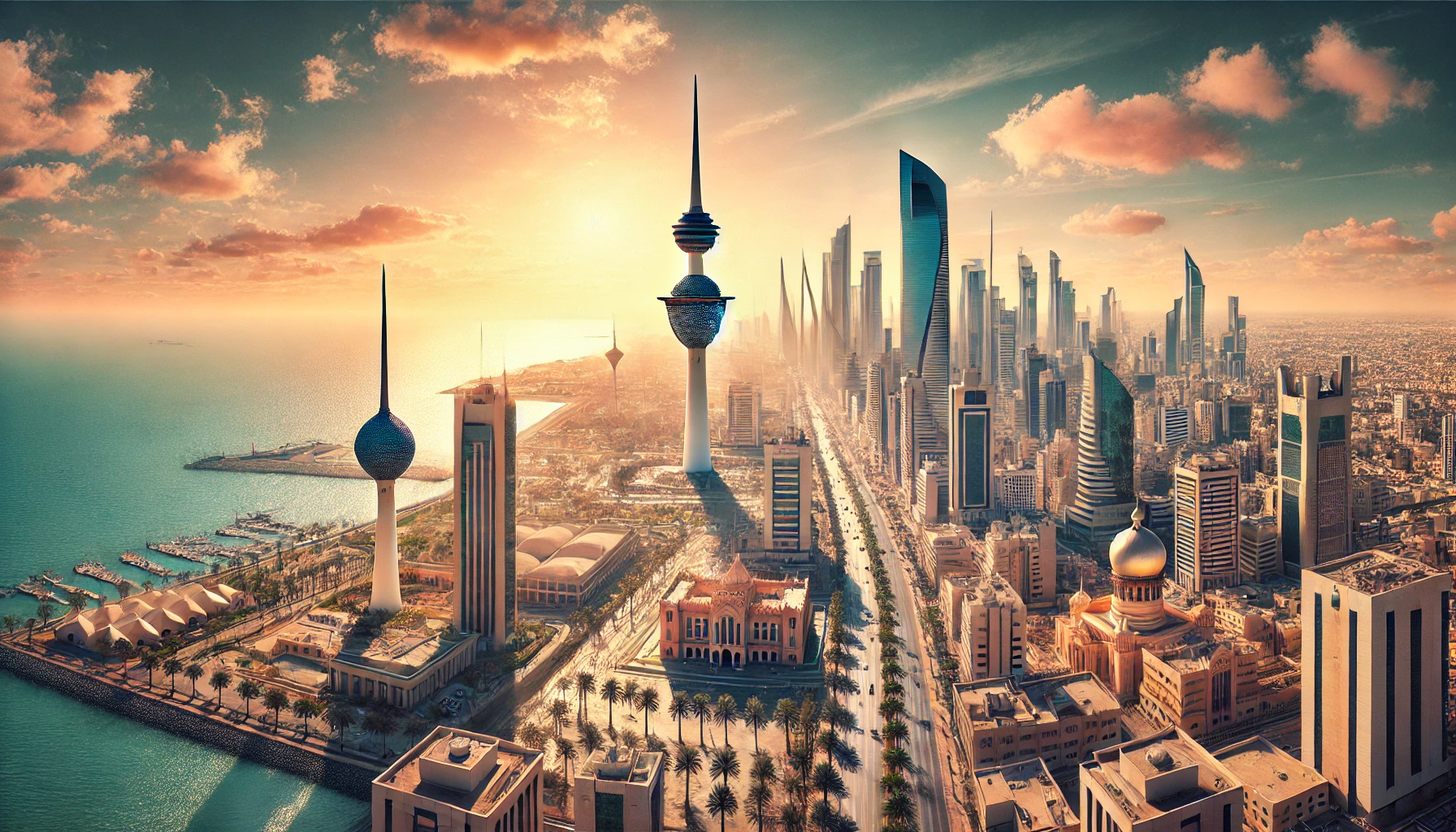
The capital city of Kuwait is Kuwait City. Situated along the coast of the Arabian Gulf, Kuwait City is a modern, culturally rich metropolis where contemporary architecture, Islamic heritage, and a diverse international population come together.

As the country’s political, economic, and cultural center, Kuwait City features skyscrapers, museums, historic souks, coastal promenades, and luxurious malls, balanced with deep-rooted traditions and strong community values.


🏛️ A Blend of Modern and Traditional Kuwait

Characteristic Description
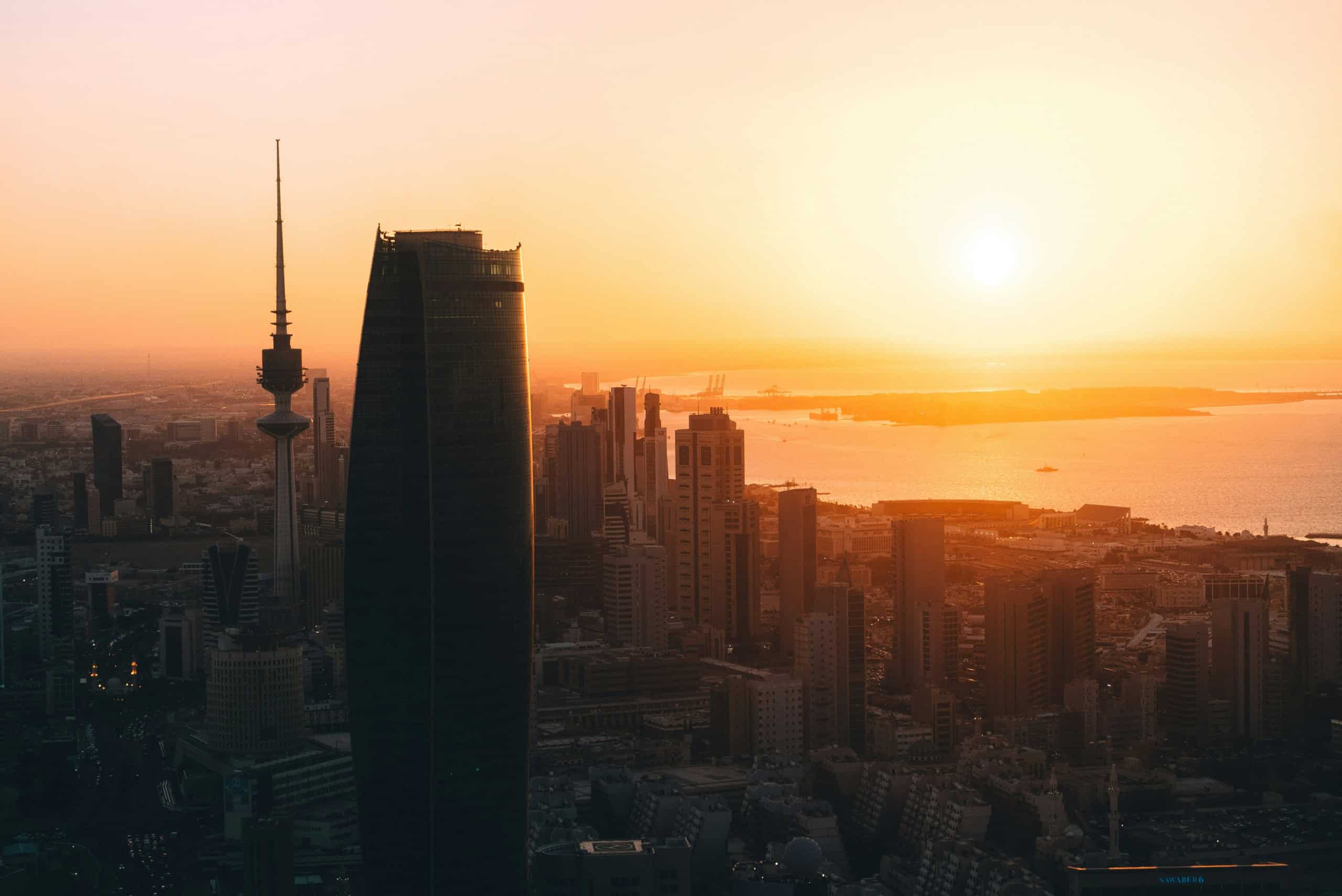
Modern Skyline High-rise towers including Al Hamra Tower, Liberation Tower, and luxury hotels
Traditional Heritage Historic Souk Al-Mubarakiya, Sadu House, and courtyard architecture
Cultural Investment Museums, libraries, and performing arts spaces are central to the city’s identity
Maritime Influence Coastal living, fish markets, dhow boat heritage, and seaside dining

Kuwait City continually modernizes, yet cultural heritage is respected and preserved.


🌆 Key Places to Experience in Kuwait City

Attraction Why Visit Highlights
Kuwait Towers Landmark symbol of Kuwait Observation deck + café with panoramic city & sea views
Liberation Tower One of the tallest structures in the Middle East Named to commemorate Kuwait’s liberation in 1991
Souk Al-Mubarakiya Traditional market Spices, perfumes, sweets, carpets, gold shops & local tea cafés
Sadu House Cultural heritage center Learn the art of Bedouin weaving and textile symbolism
Sheikh Jaber Al-Ahmed Cultural Centre “Kuwait Opera House” district Theaters, exhibitions, cafés & architectural beauty
Al Shaheed Park Largest urban green space Museums, walking trails, sunset views & cooling green landscapes
Kuwait National Museum Cultural & historical gateway Pearl-diving history, maritime life, local heritage

🌍 What Is Life Like in Kuwait City?

1. Climate

Kuwait City has a hot desert climate:

  • Very hot summers (often above 45°C / 113°F)

  • Mild winters

  • Outdoor activities move indoors during peak heat months

2. Transportation

  • The city is car-centric, with wide highways and heavy traffic

  • Ride apps and taxis are common

  • Public transit options are limited

3. Lifestyle

  • Cafés, malls, and coastal restaurants are major social hubs

  • Hospitality is a cultural value, influenced by Arab and Bedouin traditions

4. Population and Community

Group Approx. Share of City Population
Expatriates ~65–70%
Kuwaiti Citizens ~30–35%

Kuwait City is international—home to communities from across Asia, the Middle East, Europe, and Africa.

5. Cultural Values

  • While modern and cosmopolitan, Kuwait remains a conservative, Muslim-majority society

  • Respect for local customs (dress, behavior in public spaces, and religious practices) is important


🌴 Outdoor & Waterfront Experiences

Activity Where to Go
Beach walks & sunrise views The Corniche
Family-friendly parks Green Island & Al Shaheed Park
Marina dining Souk Sharq Marina
Boat trips / water sports Failaka Island departure points

🥘 What Is the Food Scene Like?

Kuwait City offers traditional Gulf cuisine and global dining options.

Must-try local dishes:

Dish Description
Machboos Spiced rice with chicken or fish
Mutabbaq Samak Fried fish served with saffron rice
Karak Tea Strong, sweet, aromatic tea
Fresh seafood Thanks to Kuwait’s historic seafaring and fishing culture

❓ Frequently Asked Questions

Is Kuwait City safe?

Yes. Kuwait City is considered very safe, with low violent crime rates. Normal travel awareness is recommended.

When is the best time to visit?

October to April, when temperatures are cooler and outdoor activities are enjoyable.

Is alcohol allowed?

No. Alcohol is prohibited in Kuwait.


📚 References & Source Links

A Journey Through Kuwait’s Desert Castles: Redefining History

Nestled in the vast stretches of Kuwait’s arid desert are remarkable castles and forts, standing as enduring testaments to the country’s storied past. These historical landmarks offer a glimpse into Kuwait’s rich heritage, showcasing its strategic importance and cultural legacy. Whether you’re a history buff or a curious traveler, exploring Kuwait’s desert castles is a journey into the soul of the nation, replete with tales of resilience, power, and artistry.


1. The Historical Significance of Kuwait’s Desert Castles

Kuwait’s castles and forts were historically built for defense, governance, and trade. Positioned strategically, they often served as watchtowers, military bases, or hubs for commerce. Over time, these structures have evolved into cultural landmarks, reflecting Kuwait’s tribal history, its relationship with neighboring regions, and its adaptation to desert life.


2. Must-Visit Desert Castles in Kuwait

Here are some of the most iconic castles and forts that redefine Kuwait’s history:

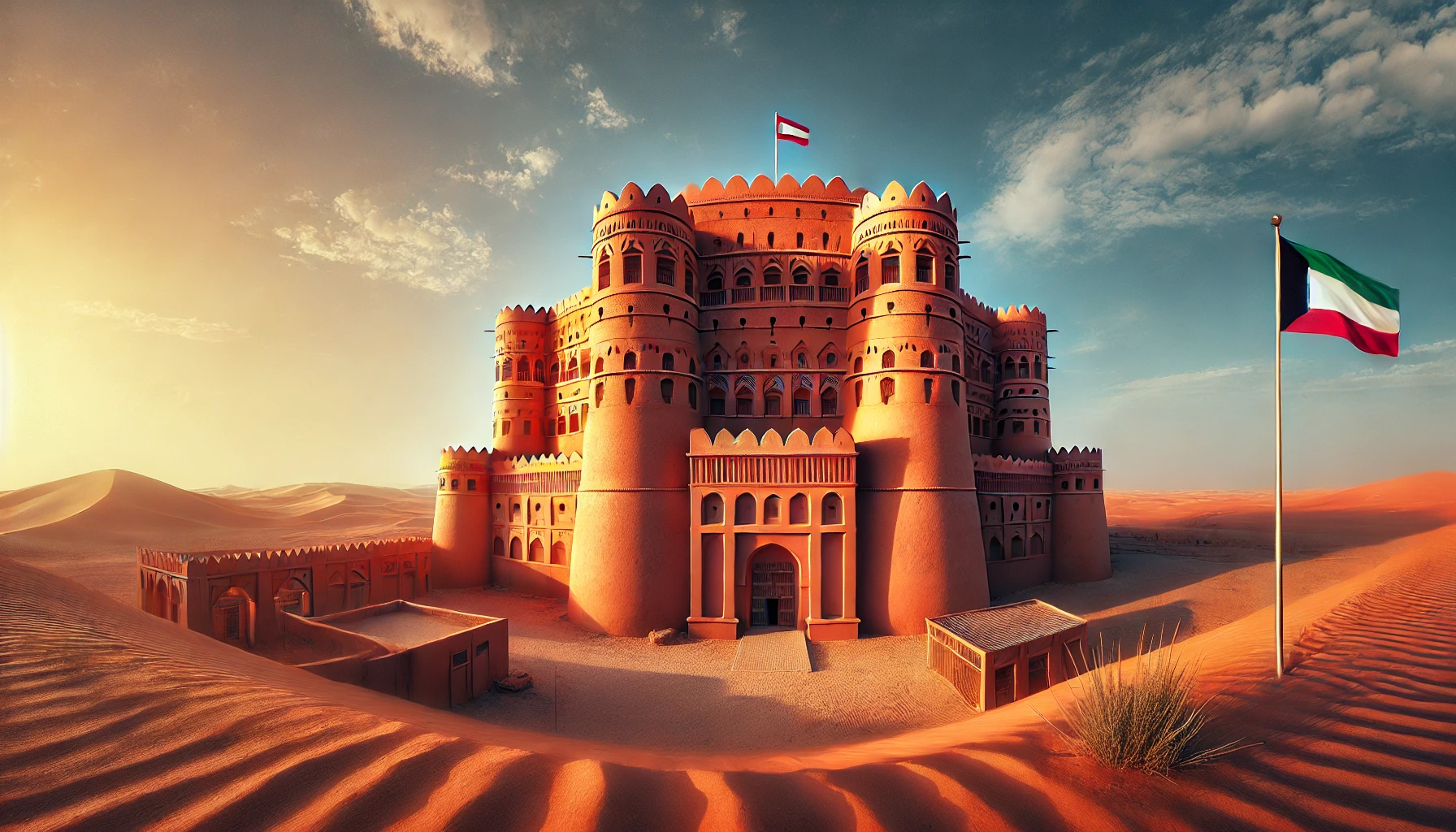
A. Red Fort (Al-Qasr Al-Ahmar)

Location: Al-Jahra
The Red Fort, built in the late 19th century, is a symbol of Kuwait’s resilience during the Battle of Jahra in 1920. The fort’s walls, constructed with mud and red clay, are a striking sight against the golden desert sands.

  • Features:
    • Five large courtyards surrounded by thick walls and defense towers.
    • Historical artifacts and displays commemorating the fort’s military significance.

Tips for Visitors:

  • Visit during the cooler months (October to March) for a comfortable experience.
  • Bring a guide or use audio tours to understand the historical context better.


B. Kuwait’s Al-Qurain Martyrs’ Museum

Location: Al-Qurain
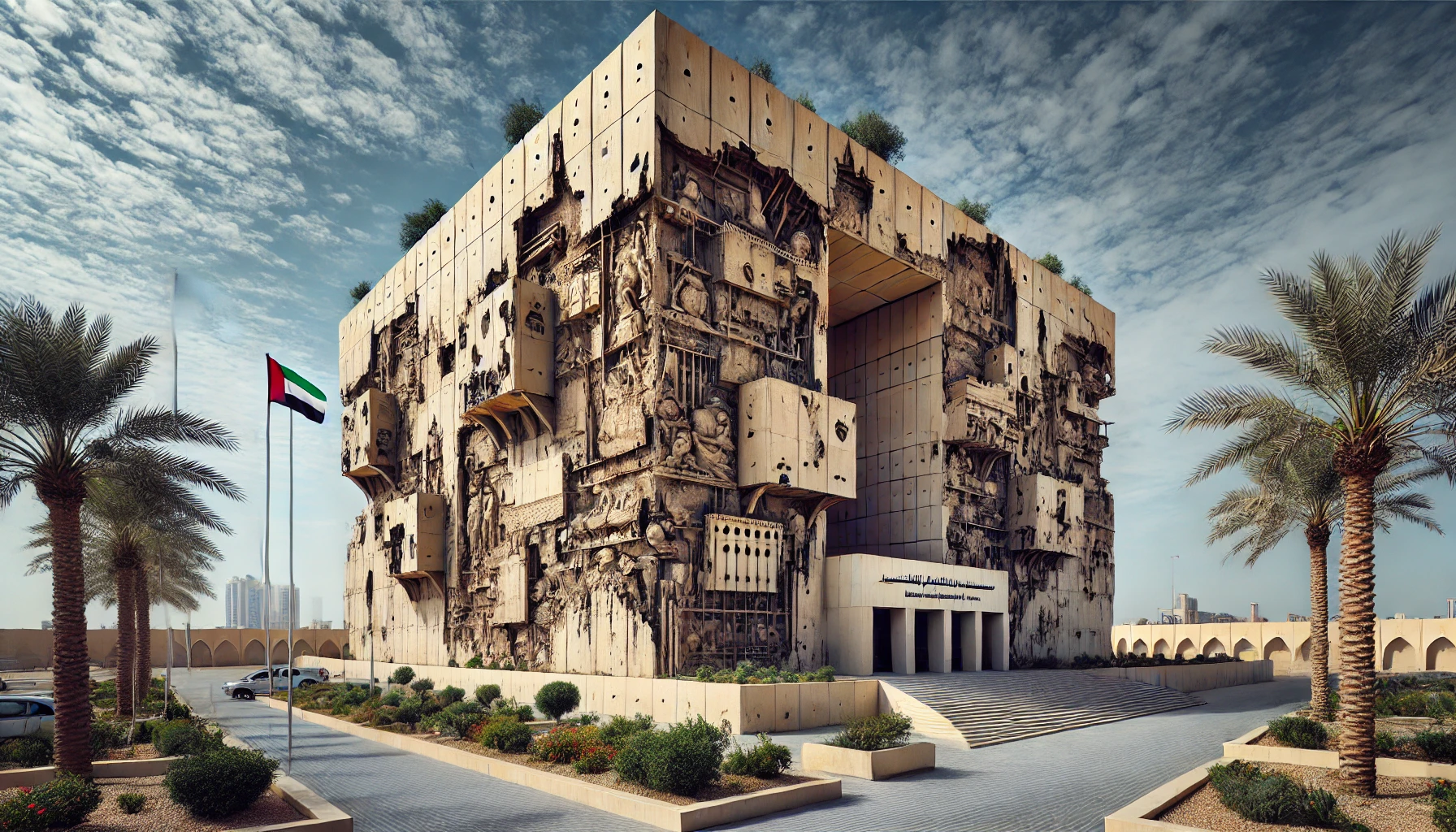
Although not a traditional desert castle, this structure was pivotal during the Iraqi invasion of 1990. A modern-day monument to resistance, it serves as a reminder of Kuwait’s fight for liberation.

  • Features:
    • Preserved battle scars on walls and exhibits recounting the heroic defense by Kuwaiti resistance fighters.
    • A museum showcasing personal artifacts, weapons, and photographs from the invasion.

Tips for Visitors:

  • Ideal for those interested in Kuwait’s modern history.
  • Allocate at least an hour to explore the exhibits thoroughly.


C. Sheikh Abdullah Al-Salem Cultural Centre and the Fort Connection

While not a fort itself, this modern cultural center houses replicas and historical details about Kuwait’s castles. It provides a comprehensive overview for those unable to visit the actual sites.

  • Features:
    • Interactive exhibits about Kuwait’s history, architecture, and military strategy.
    • A perfect introduction for tourists beginning their exploration of Kuwaiti castles.

Tips for Visitors:

  • Visit this center before heading to the actual forts for a richer contextual understanding.

D. Failaka Island Forts

Location: Failaka Island
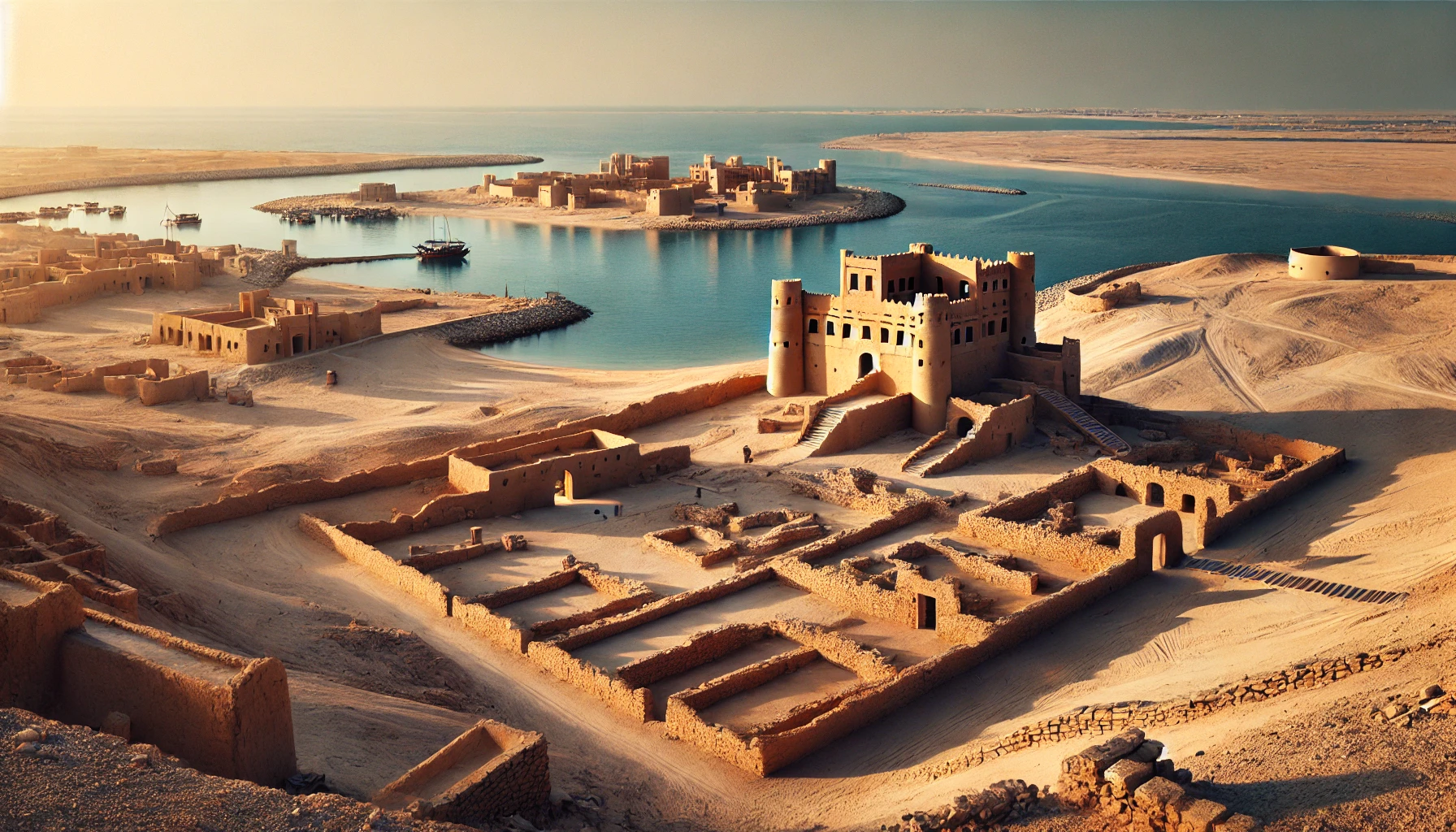
Failaka Island, with its rich archaeological history, is home to ancient forts dating back to the Bronze Age and the Dilmun civilization. These remnants showcase Kuwait’s importance as a maritime and trade hub.

  • Features:
    • Fort ruins revealing ancient defensive strategies.
    • Stunning views of the Gulf waters juxtaposed against desert terrain.

Tips for Visitors:

  • Take a ferry to the island, and plan for a full-day trip.
  • Wear comfortable shoes for walking around archaeological sites.


3. Redefining Desert Castles: Architecture and Legacy

Kuwait’s desert castles are not just architectural marvels but also cultural milestones. They are built using:

  • Local Materials: Mud, clay, and stone reflect traditional desert construction techniques.
  • Functional Designs: Thick walls and narrow windows for defense and ventilation.
  • Symbolic Elements: Decorative patterns and inscriptions showcasing Islamic art and tribal identity.

These castles represent Kuwait’s ability to adapt to harsh desert conditions while maintaining its cultural identity.


4. Practical Tips for Exploring Kuwait’s Desert Castles

  • Travel Preparation:
    • Always carry water, sunscreen, and a hat to combat the desert heat.
    • Check entry timings and guidelines, as some sites may require prior permissions.
  • Transportation:
    • Renting a car or hiring a guide is the most convenient way to access these remote locations.
    • Public transportation options are limited, so plan accordingly.
  • Best Time to Visit:
    • October to March offers mild weather, making it the best time to explore desert landmarks.
  • What to Wear:
    • Opt for light, breathable clothing and comfortable shoes suitable for uneven terrains.

5. Why Desert Castles Matter Today

In a rapidly modernizing Kuwait, these desert castles are invaluable links to the past. They:

  • Highlight Kuwait’s strategic and cultural significance over centuries.
  • Provide a tangible connection to the country’s tribal and military history.
  • Inspire architectural preservation and tourism initiatives.

For Kuwaitis, these structures are a source of national pride, embodying resilience and identity. For visitors, they are an opportunity to journey through time and experience the rich tapestry of Kuwait’s history.


Conclusion

Kuwait’s desert castles are more than just remnants of the past; they are gateways to understanding the heart of this Gulf nation. From the storied walls of the Red Fort to the ancient ruins of Failaka Island, these landmarks capture the essence of Kuwait’s history, resilience, and cultural heritage.

Whether you’re exploring them for their historical significance, architectural beauty, or simply for an adventurous day out, these castles promise an unforgettable experience. Ready to embark on your journey through Kuwait’s desert history?


Here’s a detailed table summarizing Kuwait’s desert castles and related landmarks:

Castle/Fort Location Historical Significance Key Features Tips for Visitors
Red Fort (Al-Qasr Al-Ahmar) Al-Jahra Symbol of resilience during the Battle of Jahra (1920). Five large courtyards, thick mud walls, and defense towers. Visit during October-March for cooler weather. Bring a guide for historical insights.
Al-Qurain Martyrs’ Museum Al-Qurain Modern monument to resistance during the Iraqi invasion (1990). Battle-scarred walls, personal artifacts, weapons, and photographs from the resistance fighters. Spend at least an hour to explore the exhibits. Great for those interested in Kuwait’s modern history.
Sheikh Abdullah Al-Salem Cultural Centre Kuwait City Comprehensive exhibits about Kuwait’s castles and forts for contextual understanding. Interactive displays, historical artifacts, and architectural models. Ideal for a first stop before visiting actual forts. A family-friendly destination.
Failaka Island Forts Failaka Island Ruins dating back to the Bronze Age and Dilmun civilization, showcasing ancient defensive strategies. Archaeological sites, Gulf views, and evidence of Kuwait’s importance as a maritime trade hub. Take a ferry and plan a full-day trip. Wear comfortable shoes and carry supplies for the remote location.
Other Historical Forts Various locations Include lesser-known forts such as smaller tribal watchtowers scattered across Kuwait’s desert landscapes. Unique insights into regional defense strategies and construction techniques. Research and plan visits with local guides, as some sites are not well-documented for independent exploration.

10 Interesting Facts About Kuwait You Probably Didn’t Know

Kuwait is a country that seamlessly blends a rich historical legacy with cutting-edge modernity. Known for its wealth derived from vast oil reserves, Kuwait has much more to offer than meets the eye. From cultural heritage to unique policies and fascinating geography, Kuwait is full of surprises. In this article, we’ll delve deep into ten captivating facts about Kuwait, providing insights, context, and practical tips to enhance your understanding of this remarkable Gulf nation.


1. Kuwait Has No Permanent Rivers

The Fact

Unlike many countries that rely on natural rivers for water supply, Kuwait is one of the few nations globally without any permanent rivers or natural freshwater sources. This has significantly influenced its history, infrastructure, and development.

Why This Matters

Water is a critical resource, especially in desert climates. Kuwait relies on advanced desalination plants to convert seawater into drinkable water. This technology supports both its domestic and agricultural needs.

Advice and Tips

  • If you’re traveling to Kuwait, you’ll notice that bottled water is widely available and affordable. Stick to it for drinking, as tap water, while desalinated, may not always be suitable for consumption.
  • Explore the Desalination Museum in Shuwaikh to learn about Kuwait’s innovative water management techniques.

2. The Kuwaiti Dinar Is the World’s Most Valuable Currency

The Fact

The Kuwaiti Dinar (KWD) consistently holds the title of the most valuable currency in the world. Its exchange rate often exceeds 3 USD per dinar, reflecting the country’s robust economy.

Why This Matters

This strength comes from Kuwait’s status as one of the leading exporters of crude oil, coupled with prudent financial policies. For travelers, this means the cost of living and travel in Kuwait may be higher than in other countries.

Advice and Tips

  • For Tourists: Carry small amounts of cash for local shops and markets, but most places accept cards.
  • For Expats: Open a local bank account to avoid currency exchange fees when managing large sums.


3. Kuwait Hosts the World’s Largest Pearl-Diving Festival

The Fact

Before oil became Kuwait’s economic backbone, the country relied heavily on pearl diving. The Al-Qurain Pearl-Diving Festival is an annual event celebrating this maritime tradition, featuring authentic dhows (traditional boats), live pearl-diving demonstrations, and cultural performances.

Why This Matters

The festival showcases Kuwait’s connection to the sea and honors the hard work of past generations. It’s a living history lesson for locals and visitors alike.

Advice and Tips

  • When to Visit: The festival usually takes place during the cooler months (October to March). Check local calendars for specific dates.
  • For Families: It’s a family-friendly event, offering activities like dhow rides and interactive exhibits for children.

4. Kuwait Celebrates National Day and Liberation Day Back-to-Back

The Fact

Kuwaitis celebrate National Day on February 25, commemorating Sheikh Abdullah Al-Salem Al-Sabah’s rise to power in 1950. The following day, February 26, marks Liberation Day, celebrating the end of the Iraqi occupation in 1991.

Why This Matters

These two days are a time of immense pride and joy for Kuwaitis, symbolizing freedom, unity, and sovereignty. Streets are adorned with lights, parades fill the cities, and families gather for festivities.

Advice and Tips

  • Experience the Fireworks: Kuwait hosts one of the most extravagant fireworks displays during National Day celebrations.
  • Traffic Warning: Be prepared for heavy traffic in popular areas like the Gulf Road. Plan your travel accordingly.

5. The Kuwait Towers Are Functional Water Reservoirs

The Fact

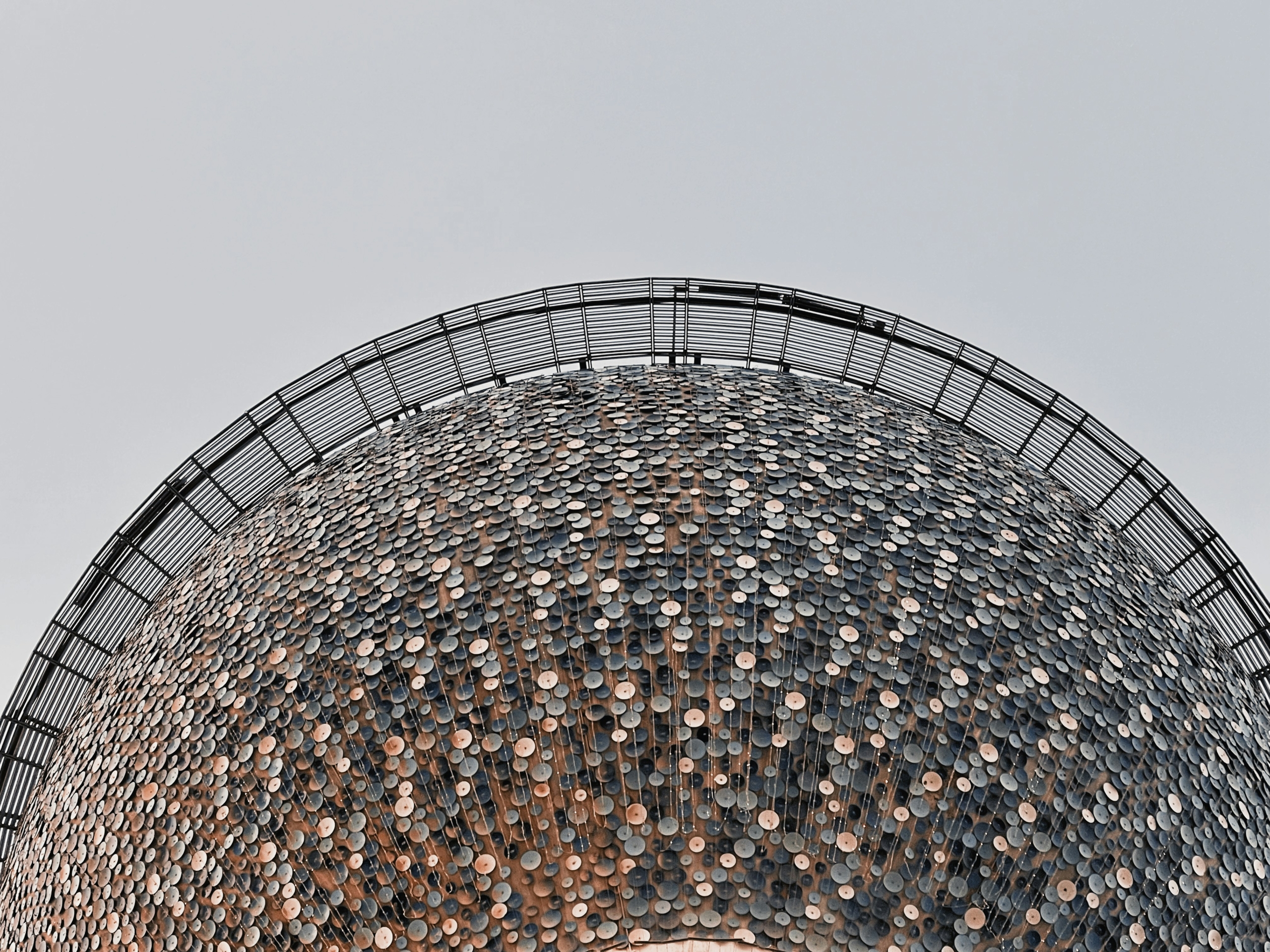
While the Kuwait Towers are an architectural and cultural icon, they also have a practical purpose: water storage. The larger spheres hold up to 4,500 cubic meters of water, supporting the city’s water supply.

Why This Matters

The towers symbolize Kuwait’s ability to merge functionality with aesthetics, showcasing modern design while addressing critical needs.

Advice and Tips

  • Visit the observation deck for a rotating 360-degree view of Kuwait City and the Arabian Gulf.
  • Dine at the Horizon Restaurant, located in the main tower, for a unique culinary experience.

6. Kuwait Leads in Environmental Preservation

The Fact

Despite its desert terrain, Kuwait is actively working on sustainability projects, such as the Jahra Nature Reserve and Al-Shaheed Park, which feature extensive greenery, biodiversity initiatives, and cultural exhibitions.

Why This Matters

Kuwait’s focus on environmental preservation highlights its commitment to balancing modernization with ecological responsibility.

Advice and Tips

  • For Nature Lovers: Visit the Jahra Reserve to witness flamingos and other migratory birds.
  • Stay Cool: Visit parks in the evening during summer months to avoid the heat.

7. Kuwaiti Cuisine Reflects Its Maritime History

The Fact

Kuwaiti cuisine blends flavors from Arabian, Indian, and Mediterranean traditions, shaped by its history as a maritime trading hub. The national dish, Machboos, is a flavorful rice and meat dish.

Why This Matters

Kuwait’s culinary heritage offers a window into its trade history and cultural diversity.

Advice and Tips

  • Don’t miss Mutabbaq Samak (spiced fish) or Gers Ogaily (a saffron and cardamom cake).
  • Try local restaurants like Shati Al-Watya for an authentic dining experience.


8. Kuwait Is One of the World’s Smallest Countries

The Fact

Kuwait covers just 17,818 square kilometers, making it one of the smallest countries in the world. Yet, its influence in global energy markets and politics far outweighs its size.

Why This Matters

Kuwait proves that a country’s significance is not determined by its geographical size but by its strategic resources and vision.

Advice and Tips

  • Take a day trip to Failaka Island, a small yet historically rich island just off Kuwait’s coast.

9. Kuwait City’s Skyline Is a Marvel of Modern Architecture

The Fact

Kuwait City boasts a futuristic skyline, including the Al Hamra Tower, the tallest carved skyscraper in the world.

Why This Matters

The skyline reflects Kuwait’s aspirations for innovation and progress, blending modern design with traditional Islamic influences.

Advice and Tips

  • Visit the Al Hamra Luxury Center for high-end shopping and dining.
  • For photography enthusiasts, capture the skyline from the Green Island at sunset.

10. Education Is Free for Kuwaiti Citizens

The Fact

Kuwait provides free education to its citizens, including university-level studies. This commitment has resulted in one of the highest literacy rates in the region.

Why This Matters

This policy reflects Kuwait’s investment in its people, fostering a well-educated population poised for future growth.

Advice and Tips

  • Expats looking to settle in Kuwait should explore international schools, as public schools are primarily for Kuwaiti nationals.

Conclusion

Kuwait is a small country with a big story to tell. From its historic pearl-diving roots to its modern-day innovations, the nation is a treasure trove of fascinating facts and cultural experiences. Whether you’re a traveler, expat, or history buff, Kuwait offers countless opportunities to explore its heritage and contemporary achievements.

Would you like more tips on visiting Kuwait or specific details about its culture and attractions? Let me know!


# Fact Details
1 No Permanent Rivers Kuwait relies on underground reservoirs and desalination plants, making it one of the few nations without permanent rivers.
2 Most Valuable Currency The Kuwaiti Dinar (KWD) holds the highest value globally, often exceeding three US dollars per dinar.
3 Largest Pearl-Diving Festival Al-Qurain Festival celebrates Kuwait’s historic pearl-diving legacy with traditional boats, diving, and cultural events.
4 Back-to-Back National Holidays National Day (Feb 25) and Liberation Day (Feb 26) are celebrated consecutively to honor independence and liberation.
5 Kuwait Towers as Water Reservoirs These iconic towers are not just architectural symbols but also functional water reservoirs storing up to 4,500 cubic meters.
6 Leader in Environmental Preservation Projects like Jahra Nature Reserve and Al-Shaheed Park emphasize biodiversity and sustainability.
7 Unique Kuwaiti Cuisine The national dish, Machboos, reflects Kuwait’s maritime trading heritage with influences from Arabian, Indian, and Mediterranean cuisines.
8 One of the Smallest Countries At only 17,818 km², Kuwait is among the smallest nations by area but has immense global economic and geopolitical significance.
9 Futuristic Skyline Kuwait City boasts modern architectural marvels like the Al Hamra Tower, the tallest carved skyscraper globally.
10 Free Education for Citizens Education, including university-level studies, is free for Kuwaiti citizens, contributing to high literacy rates.

Exploring the Hidden Gems of Kuwait: Beyond the Usual Tourist Spots

While Kuwait is known for its iconic landmarks like the Kuwait Towers and The Avenues Mall, the country also holds a treasure trove of hidden gems waiting to be discovered. These lesser-known spots reveal a more intimate side of Kuwait, showcasing its rich culture, natural beauty, and unique heritage. Whether you’re a resident seeking fresh experiences or a visitor yearning for something off the beaten path, this guide will introduce you to Kuwait’s hidden gems.


1. Kubbar Island

Location: 30 kilometers off the southern coast of Kuwait
Highlights:
Kubbar Island is a pristine escape from the urban hustle, featuring:

  • Crystal-clear turquoise waters.
  • White sandy beaches ideal for relaxation.
  • Vibrant coral reefs perfect for snorkeling and diving.

Why Visit?
Accessible only by boat, Kubbar Island offers a serene and exclusive retreat for nature enthusiasts. It’s a perfect spot for picnics, water activities, or simply unwinding in a tranquil environment.

Tips:

  • Arrange a private boat trip or join a group excursion from Marina Crescent or Fahaheel.
  • Bring essentials like food, water, and sunscreen, as there are no facilities on the island.

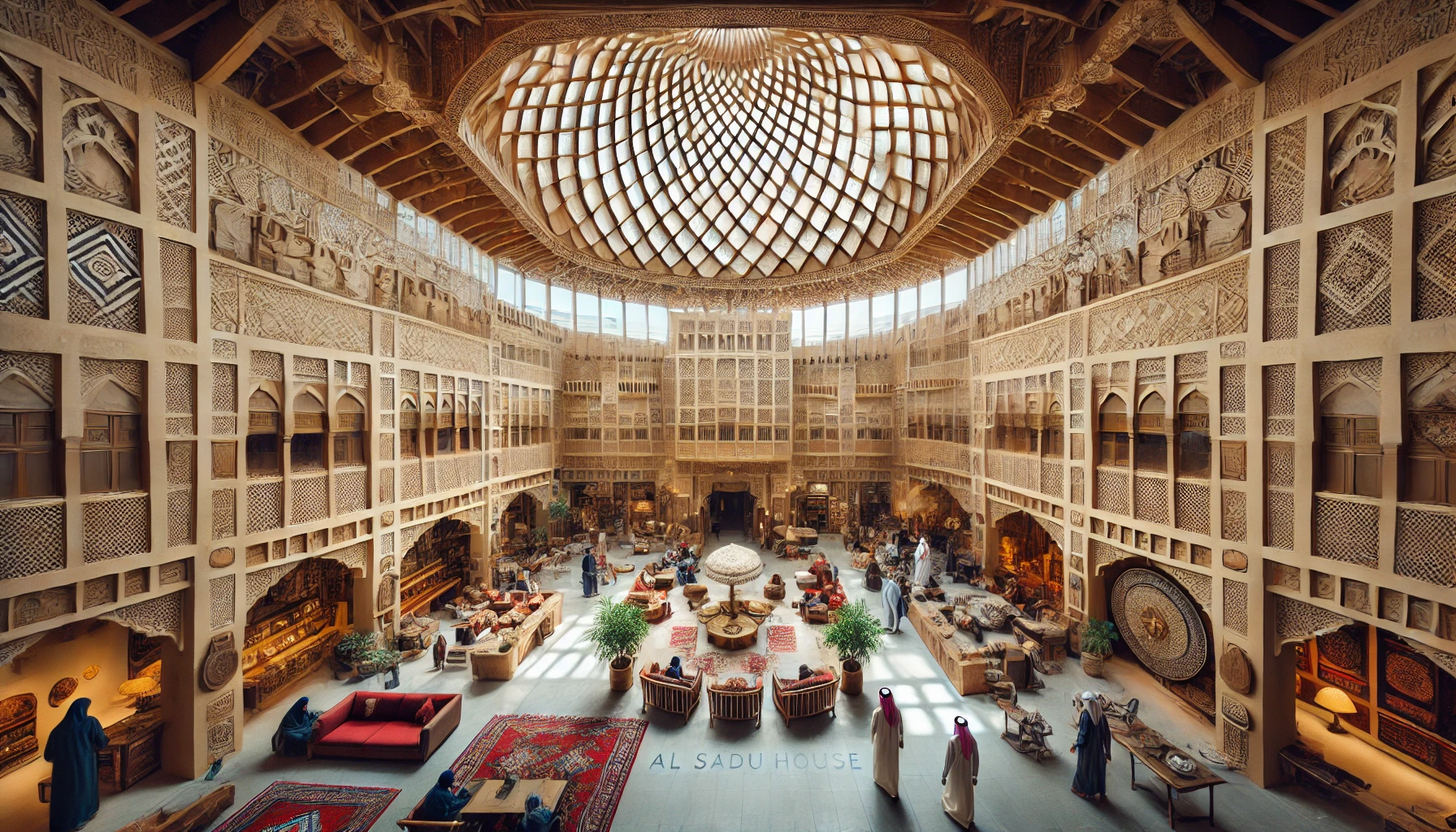
2. Al Sadu House

Location: Arabian Gulf Street, Kuwait City
Highlights:
This cultural gem is dedicated to preserving Kuwait’s Bedouin weaving traditions. Visitors can explore:

  • Intricate Sadu weavings, a traditional Bedouin textile art.
  • Exhibits showcasing the history of nomadic desert life.
  • Hands-on workshops where visitors can try their hand at weaving.

Why Visit?
Al Sadu House provides a fascinating glimpse into Kuwait’s nomadic past and its artistic heritage. It’s a must-see for art lovers and history buffs.


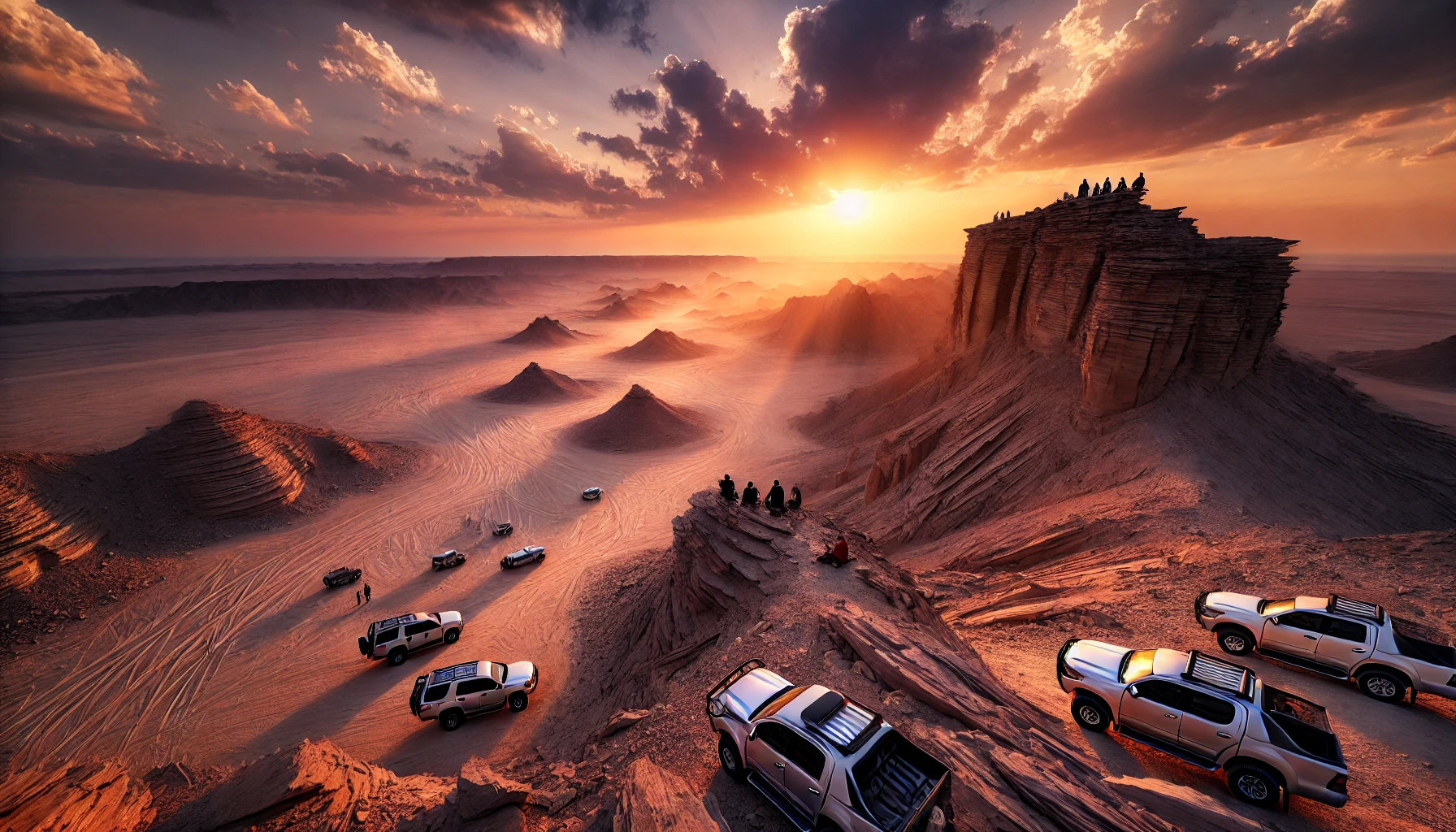
3. Mutla Ridge

Location: Northwest of Kuwait City, near Jahra
Highlights:
Mutla Ridge, Kuwait’s highest point, offers breathtaking views of the desert landscape.

  • Perfect for off-roading adventures and hiking enthusiasts.
  • A prime spot for stargazing due to its remote location.
  • Historical significance as a site during the Gulf War.

Why Visit?
It’s an excellent destination for outdoor enthusiasts seeking adventure and panoramic vistas. The ridge is particularly stunning at sunrise and sunset.

Tips:

  • Use a four-wheel-drive vehicle for off-roading.
  • Visit during cooler months (November to March).

4. Al-Qurain Martyrs Museum

Location: Qurain, Kuwait City
Highlights:
This museum commemorates the bravery of Kuwaiti resistance fighters during the 1990 Iraqi invasion.

  • Preserved battle site showing the effects of the siege.
  • Artifacts, photographs, and documents recounting the events.
  • A poignant tribute to Kuwait’s modern history and resilience.

Why Visit?
This museum offers a deeply moving and educational experience, highlighting the sacrifices made for Kuwait’s liberation.

Tips:

  • Allocate about an hour for a self-guided tour.
  • Suitable for older children and adults interested in history.


5. Al Kout Old Souq

Location: Fahaheel
Highlights:
This traditional market contrasts sharply with the modern malls of Kuwait.

  • Stalls selling spices, textiles, traditional clothing, and handmade goods.
  • Authentic Kuwaiti food at small eateries and cafes.
  • A charming atmosphere reminiscent of Kuwait’s past.

Why Visit?
It’s a fantastic place to immerse yourself in local culture, shop for unique souvenirs, and enjoy authentic flavors.

Tips:

  • Visit in the late afternoon or evening when the souq is most lively.
  • Bargaining is common and often expected.

6. Green Island

Location: Arabian Gulf Road, near Kuwait Towers
Highlights:
This man-made island is a hidden oasis in the heart of Kuwait City.

  • Walking trails, shaded picnic areas, and a serene lagoon.
  • Family-friendly attractions like playgrounds and amphitheaters.
  • Stunning views of the Gulf, particularly at sunset.

Why Visit?
Green Island is a quiet retreat from the bustling city, perfect for a leisurely day out with family or friends.


7. Failaka Island

Location: 20 kilometers off Kuwait’s coast, accessible by ferry
Highlights:
This historic island blends ancient history with rustic charm.

  • Archaeological sites dating back to the Bronze Age.
  • Abandoned homes and military installations from the 1990 invasion.
  • Opportunities for fishing, cycling, and exploring nature.

Why Visit?
Failaka Island offers a unique combination of history, culture, and adventure, making it a must-visit for curious travelers.

Tips:

  • Take the ferry from Marina Crescent or Ras Salmiya.
  • Bring supplies as amenities are limited.


8. Bait Al-Othman Museum

Location: Hawalli
Highlights:
This museum provides a detailed look at Kuwait’s social, cultural, and historical evolution.

  • Interactive exhibits showcasing Kuwaiti traditions and daily life.
  • Special sections on the oil industry and pearl diving.
  • A children’s section with engaging activities.

Why Visit?
Bait Al-Othman Museum is an enriching and educational experience for the whole family.


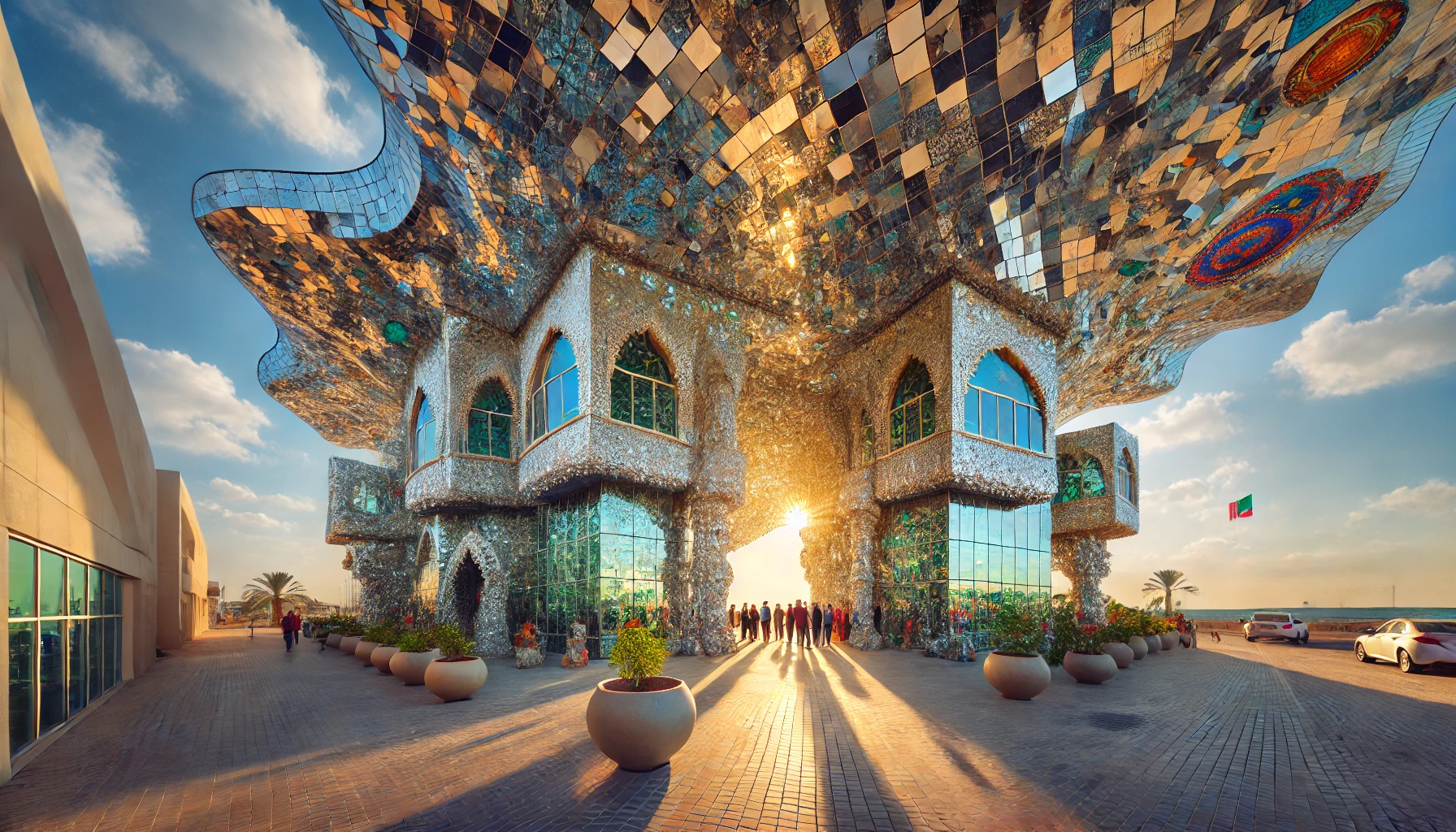
9. The Mirror House

Location: Qadsiya
Highlights:
This unique house is a masterpiece of art, covered entirely in mirror mosaics.

  • Explore rooms with themes ranging from astronomy to Islamic culture.
  • Guided tours by the artist, Lidia Al-Qattan, herself.

Why Visit?
The Mirror House is unlike anything else in Kuwait—a whimsical and awe-inspiring artistic experience.

Tips:

  • Tours are by appointment only; call ahead to schedule.
  • Suitable for art enthusiasts and curious minds.

10. Desert Camping (Winter Season)

Location: Outskirts of Kuwait City (e.g., Kabd, Salmi)
Highlights:
Experience the traditional Kuwaiti pastime of desert camping during the cooler months.

  • Rent a ready-made camp or set up your own.
  • Enjoy activities like dune bashing, BBQs, and camel rides.

Why Visit?
Camping in the desert allows you to connect with nature and experience a quintessential part of Kuwaiti culture.

Tips:

  • Plan ahead for permits and supplies.
  • Best enjoyed from November to February.


Tips for Exploring Kuwait’s Hidden Gems

  1. Plan Ahead: Many locations require advanced booking or preparation (e.g., ferries, tours).
  2. Check the Weather: Outdoor destinations are best visited during cooler months.
  3. Bring Essentials: Water, sunscreen, and comfortable clothing are a must for most outings.
  4. Cultural Sensitivity: Respect local customs, especially in traditional areas like souqs.

Conclusion

Kuwait’s hidden gems provide a refreshing contrast to the usual tourist hotspots, offering opportunities to explore its natural beauty, rich history, and vibrant culture. Whether you’re diving into the crystal-clear waters of Kubbar Island, tracing history at Failaka, or marveling at the intricate art of the Mirror House, these unique experiences will give you a deeper appreciation of Kuwait.

Make your journey unforgettable by venturing beyond the ordinary and discovering the extraordinary in Kuwait.


Here’s a table summarizing the hidden gems of Kuwait to help you decide where to explore:

Destination Type of Activity Highlights Best Time to Visit Tips
Kubbar Island Nature & Adventure Pristine beaches, snorkeling, diving March to October Arrange a boat trip; bring food, water, and sunscreen.
Al Sadu House Cultural & Educational Bedouin weaving, interactive workshops Year-round Great for art lovers and history buffs.
Mutla Ridge Outdoor Adventure Hiking, off-roading, stargazing November to March Use a 4WD vehicle; visit at sunrise or sunset for stunning views.
Al-Qurain Martyrs Museum Historical Site Preserved battle site, artifacts Year-round Allocate at least an hour; suitable for history enthusiasts.
Al Kout Old Souq Shopping & Culture Traditional goods, authentic cuisine Late afternoon or evening Bargain for the best deals; enjoy local food.
Green Island Leisure & Nature Picnic areas, lagoon, family attractions October to April Perfect for a family day out; enjoy Gulf views at sunset.
Failaka Island History & Nature Archaeological sites, rustic charm November to March Take the ferry; bring your own supplies.
Bait Al-Othman Museum Cultural & Historical Kuwaiti traditions, oil history, exhibits Year-round Suitable for families; engaging children’s section available.
The Mirror House Artistic & Unique Mirror mosaics, guided tours By appointment only Call ahead; ideal for art and culture enthusiasts.
Desert Camping Outdoor & Cultural Dune bashing, BBQs, camel rides November to February Rent a camp or set up your own; pack warm clothing for cool nights.

How to Use This Table

  • Select Based on Interest: Choose cultural, outdoor, or leisure activities depending on your preferences.
  • Plan Around Seasons: Opt for outdoor destinations in cooler months and indoor spots year-round.
  • Prepare Accordingly: Some locations require specific arrangements (e.g., ferries, appointments, or camping supplies).

This table helps streamline your exploration of Kuwait’s hidden gems, ensuring an enjoyable and well-planned adventure!

The Best Hotels and Accommodations in Kuwait

Kuwait, a bustling metropolis on the Arabian Peninsula, is known for its modern architecture, vibrant culture, and stunning coastline along the Persian Gulf. Whether you’re visiting for business, leisure, or a mix of both, Kuwait offers an array of luxurious and comfortable accommodations that cater to every traveler’s needs. Here’s a list of some of the best hotels and accommodations in Kuwait that promise an unforgettable stay.


1. Park Inn by Radisson Hotel & Apartments Kuwait

The Park Inn by Radisson Hotel & Apartments is a modern and vibrant accommodation option located in the heart of Kuwait. Ideal for both short and long stays, the hotel offers stylish rooms and fully furnished apartments. Guests can enjoy an on-site restaurant, fitness center, and rooftop pool, as well as easy access to the city’s business districts and attractions.

Address: Block 3, Salem Sabah Al Salem Al Sabah St, 51533, Kuwait
Website: Park Inn by Radisson Hotel & Apartments

Highlights:

  • Convenient location near major business districts
  • Fully furnished apartments for extended stays
  • Rooftop pool and fitness center
  • Modern and vibrant design


2. Jumeirah Messilah Beach Hotel & Spa

Set along the pristine Messilah Beach, Jumeirah Messilah Beach Hotel & Spa is the perfect getaway for those seeking relaxation and tranquility. The hotel boasts a wide range of accommodations, including elegant rooms, suites, and villas, many of which offer breathtaking views of the Arabian Gulf. The hotel’s award-winning Talise Spa, multiple swimming pools, and an array of dining options make it an ideal choice for families and couples alike.

Highlights:

  • Beachfront location with private beach access
  • Family-friendly with dedicated kids’ clubs
  • Award-winning spa
  • Variety of dining options, including seafood and international cuisine

3. The Regency Hotel Kuwait

The Regency Hotel is synonymous with grandeur and sophistication. Situated along the Arabian Gulf, this iconic hotel offers luxurious rooms and suites, exquisite dining, and a range of recreational activities. The Regency’s expansive outdoor pool area, lush gardens, and private beach make it a top choice for both leisure travelers and business guests.

Highlights:

  • Elegant and timeless décor
  • Private beach and outdoor pool area
  • Renowned for its afternoon tea service
  • Proximity to major shopping districts


4. Mövenpick Hotel Kuwait

For those looking for a mix of comfort and convenience, Mövenpick Hotel Kuwait offers a unique blend of Swiss hospitality and Arabian charm. Located near Kuwait’s Free Trade Zone, this hotel is ideal for business travelers. It features well-appointed rooms, a beautiful lagoon-style pool, and several dining options, including international cuisine and local delicacies.

Highlights:

  • Convenient location near Kuwait’s business districts
  • Lagoon-style pool and lush gardens
  • Family-friendly with children’s facilities
  • Variety of dining options

5. Marina Hotel Kuwait

Nestled along the Kuwait coastline, the Marina Hotel offers a perfect blend of luxury and tranquility. This boutique hotel provides personalized service and attention to detail, making guests feel right at home. With direct access to the Marina Mall and Marina Crescent, it’s a great option for those who love shopping and dining. The hotel’s rooms and suites offer stunning sea views, and guests can enjoy the hotel’s private beach, fitness center, and fine dining restaurants.

Highlights:

  • Prime location with direct access to shopping and dining areas
  • Private beach and outdoor swimming pool
  • Sea-facing rooms and suites
  • Intimate and personalized service

6. Radisson Blu Hotel, Kuwait

Radisson Blu Hotel, Kuwait, is known for its contemporary design and exceptional service. The hotel offers a variety of rooms and suites, many of which feature views of the Arabian Gulf. Guests can enjoy a range of international dining options, a state-of-the-art fitness center, and a private beach club. The hotel’s location makes it easy to explore the city’s cultural attractions and business districts.

Highlights:

  • Modern and stylish accommodations
  • Private beach club with water sports
  • Multiple dining options, including an award-winning steakhouse
  • Proximity to cultural and business areas

7. Sheraton Kuwait, a Luxury Collection Hotel

A landmark in Kuwait, Sheraton Kuwait offers a luxurious experience steeped in history and tradition. The hotel’s opulent interiors, world-class dining, and impeccable service make it a favorite among dignitaries and discerning travelers. Guests can enjoy the hotel’s rooftop pool, elegant rooms, and proximity to Kuwait’s cultural landmarks.

Highlights:

  • Iconic hotel with rich history
  • Opulent interiors and classic décor
  • Rooftop pool with city views
  • Renowned dining options, including authentic Lebanese cuisine


8. Grand Hyatt Kuwait

The Grand Hyatt Kuwait is a recent addition to Kuwait’s luxury hotel scene. With its contemporary design, upscale amenities, and strategic location in the heart of the city, the hotel caters to both business and leisure travelers. The hotel features spacious rooms, a luxurious spa, multiple dining options, and a rooftop pool with panoramic views of Kuwait City.

Highlights:

  • Contemporary design and upscale amenities
  • Rooftop pool with stunning city views
  • Luxurious spa and wellness center
  • Located near major business and shopping districts

9. Hyatt Regency Al Kout Mall

Perfectly situated near Al Kout Mall, Hyatt Regency offers guests the best of both worlds – shopping and relaxation. The hotel features modern rooms with sweeping views of the Arabian Gulf, multiple dining options, and a rooftop pool. It’s an ideal choice for travelers looking for comfort, convenience, and access to Kuwait’s best shopping destinations.

Highlights:

  • Located near Al Kout Mall and entertainment venues
  • Modern rooms with Gulf views
  • Rooftop pool and fitness center
  • Multiple dining options, including international cuisine

10. Al Hamra Hotel Kuwait

Al Hamra Hotel offers a comfortable and stylish stay in the heart of Kuwait City. With well-appointed rooms, a rooftop pool, and easy access to shopping and dining areas, this hotel is ideal for both business and leisure travelers. The hotel’s contemporary design and friendly service ensure a pleasant and memorable stay.

Highlights:

  • Central location in Kuwait City
  • Rooftop pool with panoramic views
  • Proximity to shopping and dining areas
  • Contemporary design and comfortable rooms

Kuwait’s hospitality scene offers a diverse range of accommodations, from opulent luxury hotels to comfortable and convenient stays, ensuring that every traveler finds the perfect place to rest and recharge. Whether you’re in Kuwait for business or leisure, these hotels and accommodations provide exceptional service, luxurious amenities, and an unforgettable experience.

Is the Cost of Living High in Kuwait?

Is the Cost of Living High in Kuwait?


Kuwait has been known to have one of the highest costs of living in the world. But is this true? Let’s take a closer look at the numbers to see the real story.

Cost of Living in Kuwait

Cost of living in Kuwait can be quite high. But what does this mean for you? Let’s take a closer look at some specific costs you can incur while living in this Arabian country.

Cost of Living in Kuwait for 1 Person

The cost of living in Kuwait can be quite high, especially for individuals who are living alone. The average cost of living in Kuwait for a single person is around $710 per month, which covers basic necessities such as food, housing, and transportation. This amount does not include vacations, entertainment, or other non-essential expenses, so it is important to set a budget and stick to it if you want to maintain a comfortable standard of living in Kuwait.

Cost of Living in Kuwait for A Family of 4

The cost of living in Kuwait for a family of 4 is around $2660 per month, which covers basic necessities such as food, housing, and transportation. This amount does not include vacations, entertainment, or other non-essential expenses, so it is important to set a budget and stick to it if you want to maintain a comfortable standard of living in Kuwait.

What Is a Good Salary to Live in Kuwait?

When it comes to determining a good salary for living in Kuwait, there are a number of factors to consider. For one, the salary range can vary depending on an individual’s specific job and level of education. On average, the gross salary range for people working in Kuwait is typically from $766 to $3660 per month.

However, this only represents the base salary and doesn’t include things like health insurance, additional perks, and bonuses. In addition, Kuwait’s cost varies significantly depending on where you choose to live. Cities like Kuwait City tend to be more expensive than rural areas outside the city center. Ultimately, choosing the right salary will depend on your personal preferences and needs as well as the scope of your job responsibilities.

So whether you’re looking for a high-paying position in a major urban center or a lower-salaried job working with local communities in a rural area, there are plenty of opportunities available in Kuwait that can help you get by comfortably and meet all your financial obligations.

How Much Is the Rent in Kuwait?

The cost of renting in Kuwait can vary widely depending on several factors, including location, size, and food prices in Kuwait. On average, a one-bedroom apartment in the city center will typically run you about $873 per month, while a similar unit outside the city center will cost roughly $679 per month. If you are looking for more space, a three-bedroom apartment in the city center can typically be rented for around $1713 per month, while a similar unit located just outside the city center would cost around $1325 per month.


While these numbers provide some insight into the general cost of renting in Kuwait, it is important to keep in mind that other factors like location, condition of the apartment, and amenities may also influence rental prices. So when it comes to choosing where to live in Kuwait, it is best to do your research and explore all your options so that you can find accommodation that suits your needs at a price that fits within your budget.

Is Kuwait a Good Place to Live?

There is no doubt that Kuwait is a wonderful place to live. This small but thriving country is home to bustling cities and stunning natural landscapes, offering residents a wide variety of cultural and recreational activities. Whether you are a nature lover, an adrenaline junkie, a foodie, or simply looking for a peaceful place to call home, Kuwait has something for everyone.

With its rich culture and beautiful scenery, it is no wonder that so many people dream of settling down in this vibrant and welcoming country. So if you’re considering a move to Kuwait, don’t delay – make your dreams come true today!

Conclusion

The cost of living in Kuwait is high when compared to other countries, but this is offset by the high salaries that people earn. Expats will find that they can live a comfortable life while saving money if they are careful with their spending. There are many ways to save money, such as buying groceries at local markets and eating out only occasionally.


  • Article based on personal opinion, experience and research.
  • Photos from Unsplash & canva.

Top 10 Inspiring Kuwaitis

Who are the top ten inspiring Kuwaitis? What accomplishments have they achieved and elevated the country’s name? Here is the list!


Top 10 Inspiring Kuwaitis

Kuwait is famous for its massive oil reserves. It produces 6% of the oil production in the world and provides over three million barrels of oil every year. However, today’s article will discuss the top ten inspiring Kuwaitis who earned a name for themselves in their respective fields. Read on!

1. Fatima Al Qadri

Fatima Al Qadri is one of the most famous Kuwaiti singers. She is a reputable musician known for her experimental and conceptual music. Al Qadri’s music is unique, genre-bending, and provocative, making her an inspiration for young girls seeking a career in music.

2. Tariq Al-Suwaidan

Tariq Al-Suwaidan is one of the most famous Kuwaiti entrepreneurs, businessmen, media presenter, Islamic scholars, and writers. Tari earned a name for himself as the leader and chairman of Innovation Group. In addition, Tariq hosts various TV programs on MBC, Space Channel, and First Channel.

3. Abdullah Al Mutairi

Abdullah Al Mutairi is a famous football coach. Abdullah was born in 1982 in Kuwait and gained a reputation after becoming the head coach of the Nepali National Football team. Although Abdullah worked hard to improve the football team’s performance, he resigned from the post due to political interference. Nepali football fans want Abdullah to return and continue coaching the football team.

4. Fehaid Al-Deehani

Fehaid Al-Deehani is a 49-year-old inspirational sports athlete who won bronze medals at the Sydney and London Olympics in 2000 and 2012, respectively. The best thing about Al-Deehani is that he won the gold medal in 2016’s Rio Olympic games defeating Marco Innocenti in the final.

5. Ascia AKF

Ascia AKF is a famous media representative, social media influencer, and blogger. She belongs to Kuwait and is renowned throughout the Middle East for her Facebook and Instagram content. Ascia has more than two million followers on Instagram. She has quickly gained popularity in other Asia countries, including India, Bangladesh, Malaysia, and Indonesia.

6. Khaled Abou El Fadl

Khaled Abou El Fadl is a doctor and the leading authority on Shariah Islamic law. Khaled teaches human rights, Islamic jurisprudence, Islam, law, and policy. Khaled’s lectures on mitigating human trafficking, terrorism, and political asylum have fans worldwide.

7. Humood Al Khudher

Humood Al Khuder was born in 1989 and is one of Kuwait’s most famous singers and music producers. Most of Humood’s songs have over 800 million views on social media, including YouTube. Humood sings about love, passion, harmony, peace, and prosperity. All his songs have versatile topics and positive lyrics.

8. Halema Boland

Halema Boland, born in 1975, is the most famous television presenter, actor, and former fashion model in Kuwait. She has won numerous awards, including the Miss Arab Journalist, in 2007.

Boland is well-known for her beautiful looks, cute smile, and luscious feminine beauty. She loves traveling, acting, dancing, modeling, and blogging. Halema Boland is a true inspiration for young Kuwait girls seeking a career in the media industry.

9. Bashar Abdullah

Bashar Abdullah is a former Kuwaiti footballer who played a critical role in promoting sports in the country between 1996 and 1998. Abdullah was part of the team that won two Gulf Cups. The team also reached the semi-finals of the AFC cup and runner up in the Asian Olympics and Arab Cup. Abdullah played well in the Olympic team that reached the Sydney Olympics in 2000.

10. Souad Abdullah

Souad Abdullah was born in 1949. She is a famous Kuwaiti actor known for her versatile acting skills. People love calling her the Cinderella of the Khlaeeji Screen. Souad is married to Faysal Al-Dahhy, a reputable Kuwait director.

Final Words

Kuwait is home to some of the world’s most inspirational and reputable personalities in business, technology, research, sports, cinema, TV, and media. Until Next Time!


  • Article based on personal opinion, experience and research.
  • Photos from Unsplash & canva.